
 UEA?
UEA?La vera aspekto de la retejo ne povas por esti korekte rigardata per via retumilo.
The ideological basis of Esperanto poetry
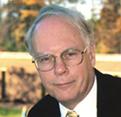
It would be correct to call Zamenhof’s poems “movement poems”, written to encourage the early Esperantists to promote the language, or to explore the complex feelings of the author of Esperanto in the face of the work of art that we call Esperanto. In writing these poems he founded a long tradition of works about Esperanto and the Esperanto movement – often (but not always) written by so-called poets with more enthusiasm than poetic talent. Naturally, the foremost figures in Esperanto literature declared their literature mature at the point when it began to overcome the limitations of topic and explore other dimensions of human life not necessarily linked to work for the International Language. Yet poetic explorations of the situation of the promoter of Esperanto continue – now often masked by other subjects. If today’s Esperanto culture has now acquired the multicoloured diversity of the cultures of national languages, it has not lost its ideological basis. In this lecture we will further explore this ideological basis of Esperanto poetry.
El Gazetaraj Komunikoj
UEA invitas prelegi en la 74-a IKU-sesio en Belfasto
Gazetaraj Komunikoj n-ro 912 (2020-10-20)
IKU-libro 2020: rekorde elŝutita
Gazetaraj Komunikoj n-ro 900 (2020-08-10)
Programo de la Internacia Kongresa Universitato (IKU) en Montrealo
Gazetaraj Komunikoj n-ro 856 (2020-03-19)
UEA invitas IKU-prelegantojn por Montrealo ĝis 15.01.2020
Gazetaraj Komunikoj n-ro 841 (2019-12-25)
UEA invitas prelegi en la 73-a IKU-sesio en Montrealo
Gazetaraj Komunikoj n-ro 823 (2019-09-11)
Aldonaj informoj
- Regularo pri Internacia Kongresa Universitato
- Taskoj kaj limdatoj pri IKU
- IKU kaj Esperanto en la scienco kaj tekniko (artikolo de Prof. Amri Wandel).
- La Akademio Internacia de la Sciencoj (prezento por la Almanako de UEA).
- [en] IKU and Esperanto in Science and Technology (in English)
- [fr] IKU et Espéranto dans les sciences et techniques (en Français)